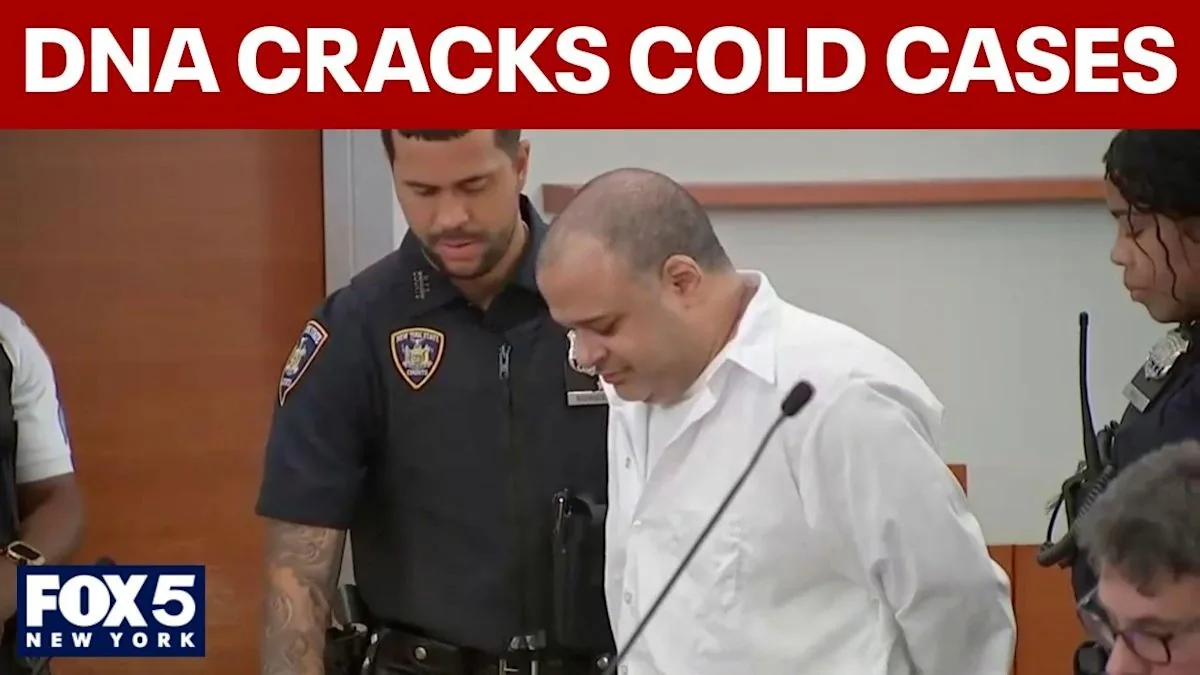
STAMFORD, CT — A man charged in the 1986 killing of Norwalk sixth grader Kathy Flynn returned to Stamford Superior Court on Tuesday, nearly four decades after the child was attacked while walking home from school.
Marc Karun is accused in Flynn’s death. His case had reached trial last spring, but it ended in a mistrial in April after allegations that evidence may have been contaminated. Prosecutors say they still intend to retry him.
The case has drawn attention because it remained unsolved for decades before advances in DNA technology led to Karun’s arrest. Flynn was 11 when she was killed in Norwalk.
How the 1986 killing stayed unsolved for decades
Flynn’s death became one of the long-running cold cases in Connecticut. For years, investigators were unable to close the case, and the killing remained unresolved while her family and community waited for answers.
According to the court record described in prior coverage, Flynn was attacked as she walked home from school. The details that eventually surfaced in the case were tied to later testing, not to an immediate breakthrough in 1986.
The arrest of Karun came only after DNA advances made it possible for investigators to revisit evidence and compare it with modern methods. That development shifted the case from decades of uncertainty to a criminal prosecution in Superior Court.
DNA testing brought investigators to Marc Karun
Karun’s arrest was made after forensic work pointed investigators toward him in a case that had sat dormant for years. The later DNA findings became the basis for moving the investigation forward after so much time had passed.
The role of technology has been central to the case from the beginning of the modern proceedings. Prosecutors relied on the DNA evidence to charge Karun and bring the long-unsolved killing back into court.
That scientific development is one reason the case remains closely watched. It is also why the retrial matters: the earlier decades without an arrest have now given way to a prosecution built around newer forensic analysis.
April mistrial reset the courtroom battle
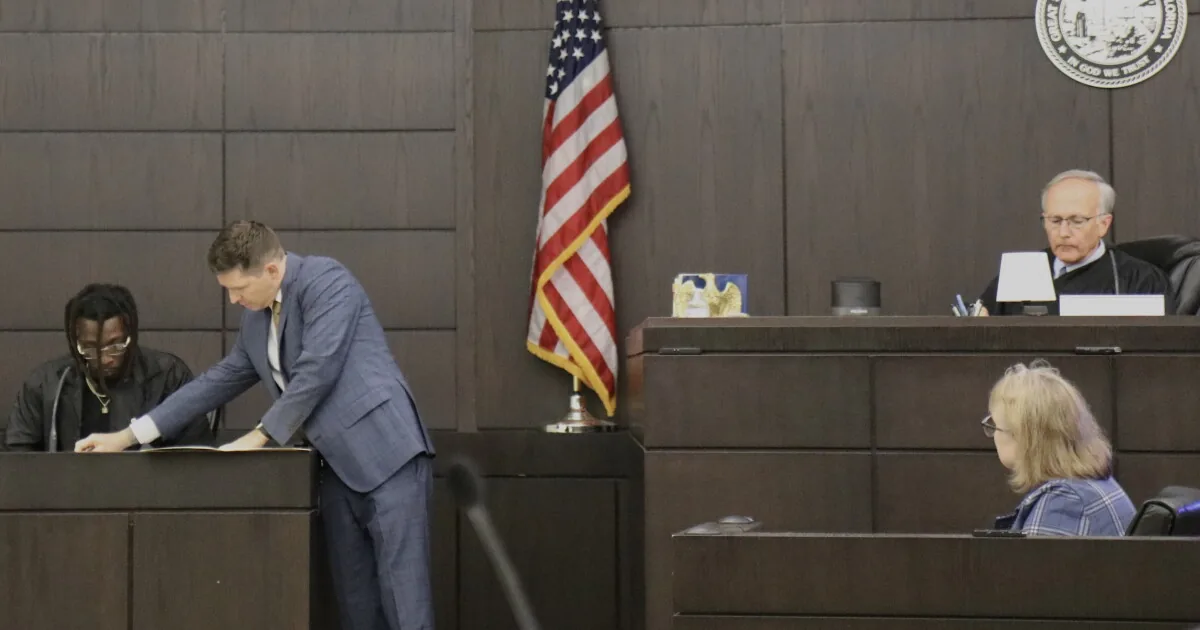
Karun’s trial began last spring, but it did not reach a verdict. The proceedings ended in a mistrial after allegations surfaced that evidence may have been contaminated.
That development forced the case back to square one in practical terms, even though the underlying charge did not change. Prosecutors have made clear that they still want to present the case again and ask another jury to decide it.
The mistrial gave the defense and prosecution another chance to prepare for a new round of testimony. It also kept the case alive rather than ending it with a final judgment.
What prosecutors say happens next
Prosecutors have said they intend to retry Karun in Flynn’s death. Tuesday’s return to Superior Court marked the first time he appeared there since the mistrial was declared in April.
The renewed proceeding means the case remains active more than 39 years after Flynn was killed. Courtroom scheduling and trial preparation will now determine how quickly the retrial moves forward.
For the state, the goal remains the same: present enough evidence for a jury to decide whether Karun is responsible for the child’s killing. For the defense, the earlier mistrial gives another opening to challenge the prosecution’s case.
A Norwalk child’s killing still resonates decades later
Flynn’s age and the circumstances of her death have made the case especially painful for the Norwalk community. She was 11, a sixth grader, when she was killed while walking home from school.
Cases like this often stay with families and neighborhoods long after the headlines fade. In Flynn’s case, the long delay before an arrest and the later mistrial have kept the story in public view for years.
The prosecution now moving toward another trial means the facts will be tested again in court. Even after all this time, the case continues to carry the weight of an unsolved child killing turned cold-case prosecution.