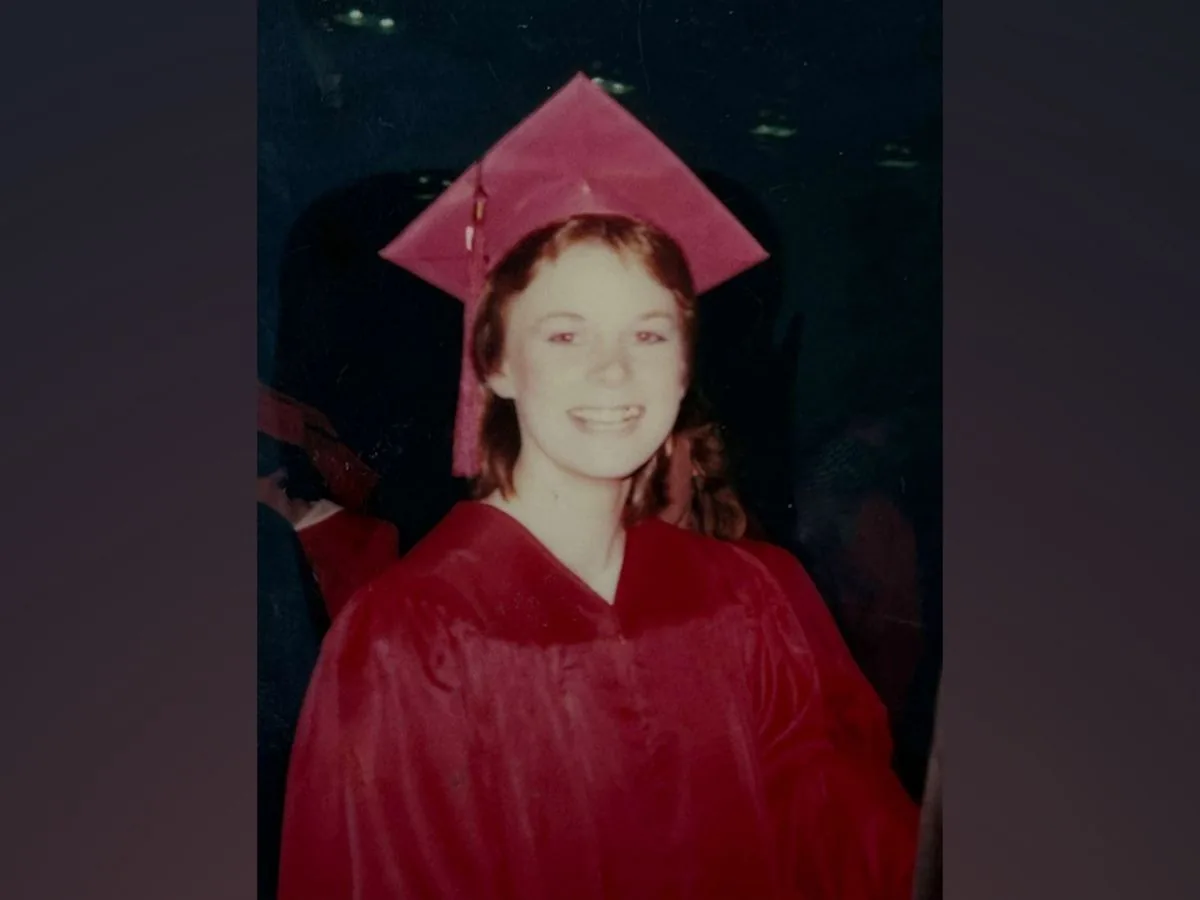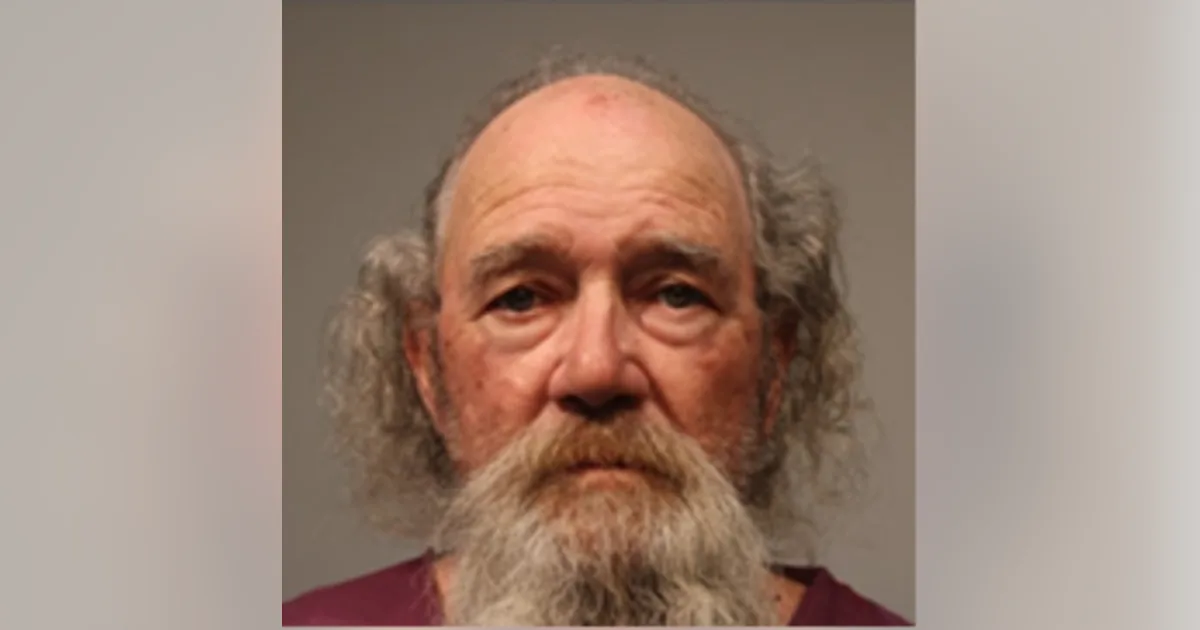
BEXAR COUNTY, TX — A 68-year-old Arizona man is expected to be extradited to Texas to face a capital murder charge in the 1981 sexual assault and killing of Yolanda Herrera, a case that had gone unsolved for more than four decades.
Texas authorities say modern DNA testing, forensic genealogy and later interviews with investigators finally pointed them to Kelly Lee Brower, who was arrested Aug. 19, 2026, in Cottonwood, Arizona.
Officials with the Texas Department of Public Safety say Brower later confessed to killing Herrera after multiple interviews. The arrest closes a long-running investigation into the death of the 23-year-old Texas woman whose body was discovered in Bexar County in April 1981.
Children found Herrera’s body near East Aviation Drive in 1981
According to the Texas Department of Public Safety, Herrera’s nude body was found by children on April 13, 1981, in a field near the 500 block of East Aviation Drive in Bexar County. Investigators said she had been sexually assaulted and beaten to death.
Authorities said Herrera had last been seen walking home from a local bar shortly after it closed days earlier. Detectives spent years trying to determine who killed her, but after eliminating all known suspects the case eventually went cold.
The killing remained unresolved for more than 40 years, even as investigators kept the file active and looked for ways to use newer forensic methods on old evidence.
Cold case revived through the Sexual Assault Kit Initiative
Texas officials said the case was identified in late 2020 as eligible for the Texas Department of Public Safety’s Sexual Assault Kit Initiative, a federally funded program that supports investigations into unsolved sexual assaults and sexually related killings.
That review allowed Texas Rangers and Universal City police to submit evidence from Herrera’s original autopsy for additional DNA work and genealogy research. DPS said BODE Technologies developed a lead through a surname search in 2021 and recovered a small DNA sample from key evidence.
At that stage, officials said the sample was not strong enough for genealogy testing. Even so, the results gave investigators a new direction in a case that had remained open but dormant for years.
Othram analysis narrowed the case to Kelly Lee Brower
More testing in 2025 helped push the investigation forward. DPS said Othram Laboratories further analyzed the DNA and used forensic investigative genetic genealogy to identify Brower as a possible suspect.
That development gave detectives a specific person to focus on after decades of uncertainty. Rather than relying only on older investigative methods, the case moved forward with a combination of preserved evidence, advanced lab work and family-tree analysis.
Officials have described the forensic work as the key break in a case that had resisted traditional efforts for years. The DNA-related evidence did not solve the case by itself, but it gave investigators enough to seek Brower out in Arizona.
Arizona interviews ended with a confession, officials say
Investigators traveled to Arizona to interview Brower after the genetic genealogy results identified him as a suspect. According to DPS, Brower later confessed to killing Herrera after multiple interviews.
Brower was arrested in Cottonwood on Aug. 19, 2026, and remains in custody. Texas authorities say he will be returned to the state for prosecution on a capital murder charge.
The arrest marks the first time authorities have publicly tied a named suspect to Herrera’s killing. For investigators, the confession and arrest provided a long-awaited resolution to a case that had stayed open for 45 years.
A decades-old Texas case now heads toward prosecution
The case highlights how old homicide files can be revived when evidence is preserved and tested with newer technology. DPS said the investigation combined original autopsy evidence, later DNA recovery and genetic genealogy before agents traveled to Arizona.
Herrera’s death had remained one of the many unsolved violent crimes that linger for years in local and state files. With Brower now facing extradition, prosecutors in Texas are expected to take the case forward based on the renewed investigation.
The arrest also underscores the role of federally supported cold case programs in giving investigators another chance to identify suspects when earlier efforts failed. In this case, that effort eventually led to a confession and a return trip to Texas for court proceedings.