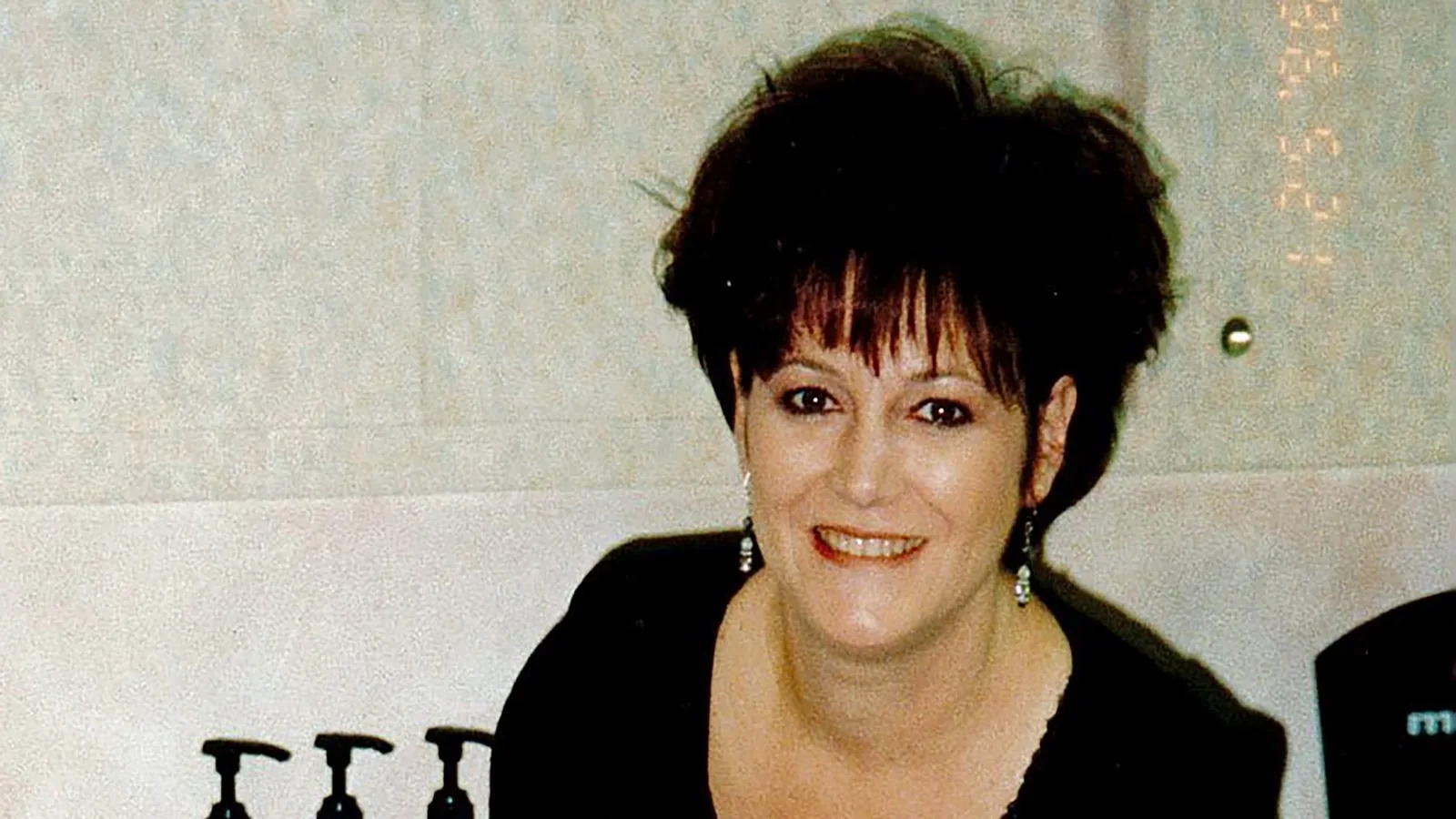
PASO ROBLES, CA — Investigators used a then-new geofencing technique to help crack the disappearance and killing of Nancy Woodrum, a 62-year-old Paso Robles hair salon owner whose daughter found signs of blood inside her home after she failed to appear at Bible study.
What began as a missing-person case in May 2018 eventually led detectives to a painting crew member, DNA evidence from a restaurant Coke bottle, and Woodrum’s remains in a remote area an hour away. ABC News’ “20/20” is revisiting the case in “The Vanishing of Nancy Woodrum,” which focuses on how police narrowed the search after months of dead ends.
A missing woman and a troubling scene at Paradise Ranch
Woodrum lived alone at her Victorian-style ranch home, known as Paradise Ranch, after her husband Robert died a few years earlier. Friends described her as warm, generous and easy to talk to, and her daughter Amanda Peel said it was out of character for her to miss Bible study.
When Peel asked a neighbor to check the house, she was told the front door was open and the television was blaring. Peel then went inside and found what looked like blood spatter in her mother’s room, along with missing bedsheets. That discovery quickly shifted the case from a welfare concern to a criminal investigation.
Investigators soon found bedding and clothing discarded beside a highway several miles from Paradise Ranch, deepening concern that Woodrum had been taken from the property. The apparent staging of the scene and the scattered belongings gave police an early sense that the case would require more than a routine search.
How Google geofence data pointed detectives to a suspect
For months, detectives explored several possibilities, including weekend guests at the ranch, a contractor and even a family member. Those leads did not hold up, and the investigation stalled for more than seven months while Woodrum remained missing.
Police then turned to geofencing, a cell phone tracking method that uses a virtual perimeter around a location to identify devices that entered it during a set time period. Prosecutor Chris Peuvrelle said search warrants had to be written for a precise window before Google would release the information.
The data helped investigators identify a device tied to Carlo Fuentes Flores, who had worked on a painting crew contracted for renovations at Paradise Ranch. Once his connection to the scene emerged, detectives began building a case around him and the devices that were present in the home the night Woodrum disappeared.
DNA evidence linked Fuentes Flores to the bedroom
After identifying Fuentes Flores as a person of interest, investigators watched him and collected DNA from a Coke bottle he drank from at a restaurant. That sample matched DNA found in Woodrum’s bedroom on the night she vanished, strengthening the case that he had been inside the home.
Police later questioned Fuentes Flores, who said he would lead them to Woodrum’s body. He took officers to Carrizo Plain, a remote area about an hour outside Paso Robles, where investigators said they found skeletal remains believed to be Woodrum’s.
The discovery answered one of the family’s biggest questions and confirmed that the missing-person investigation had become a homicide case. For Peel, finding her mother’s remains brought a painful but important measure of closure after months without answers.
Confession, apology letter and the case against Fuentes Flores
During a later interrogation, Fuentes Flores admitted he had sexually assaulted Woodrum at Paradise Ranch while intoxicated and then suffocated her with a pillow to cover up the assault, according to investigators. Police arrested him in December 2018 and charged him with murder after he wrote an apology letter to Woodrum’s family and his own.
Even so, Fuentes Flores pleaded not guilty. His defense argued that his statements should not count because no Spanish interpreter was present during the police interview, and he is Mexican-born and speaks Spanish as his first language.
The case also included recorded jail calls in which prosecutors said he admitted guilt to his wife. Those statements, along with the DNA evidence and geofence data, formed the backbone of the prosecution’s case at trial.
Life sentence and an appeal that was rejected
A judge found Fuentes Flores guilty of first-degree murder during a rape and sentenced him to life in prison without parole in February 2022. He entered a slow plea that preserved his right to challenge the conviction on appeal.
That effort did not succeed. The California Court of Appeals denied his appeal in July 2023, leaving the conviction and sentence in place.
Peel has said she remembers her mother as a devoted woman who loved God and wanted others to know it. Family members and friends described Woodrum as someone whose kindness made people feel seen, and that memory remains central to how her daughter talks about her today.
ABC News revisits the case in a new 20/20 episode
ABC News is examining the investigation in a new “20/20” episode, “The Vanishing of Nancy Woodrum,” airing Friday, March 13, at 9 p.m. ET on ABC and streaming the next day on Disney+ and Hulu. The program also ties into the network’s weekly podcast companion, “20/20: The After Show,” hosted by Deborah Roberts.
The episode looks inside Paradise Ranch and walks through the long path from disappearance to conviction. It also highlights how a relatively new investigative tool helped authorities break open a case that had gone cold for months.
For Woodrum’s family, the case ended with a conviction, a sentence and the return of her remains. For investigators, it became an example of how digital records and forensic work can connect a suspect to a crime scene even after traditional leads fail.