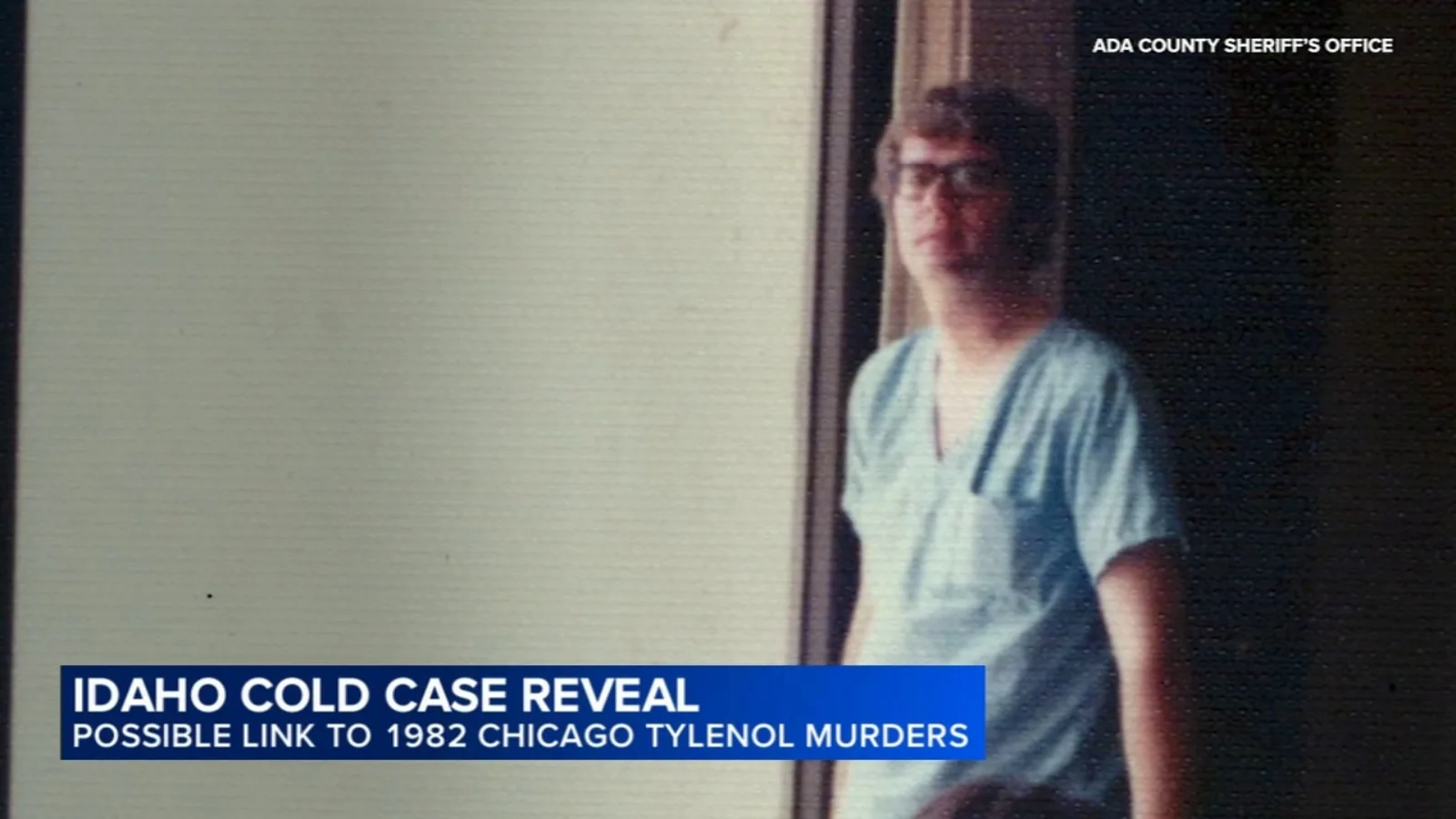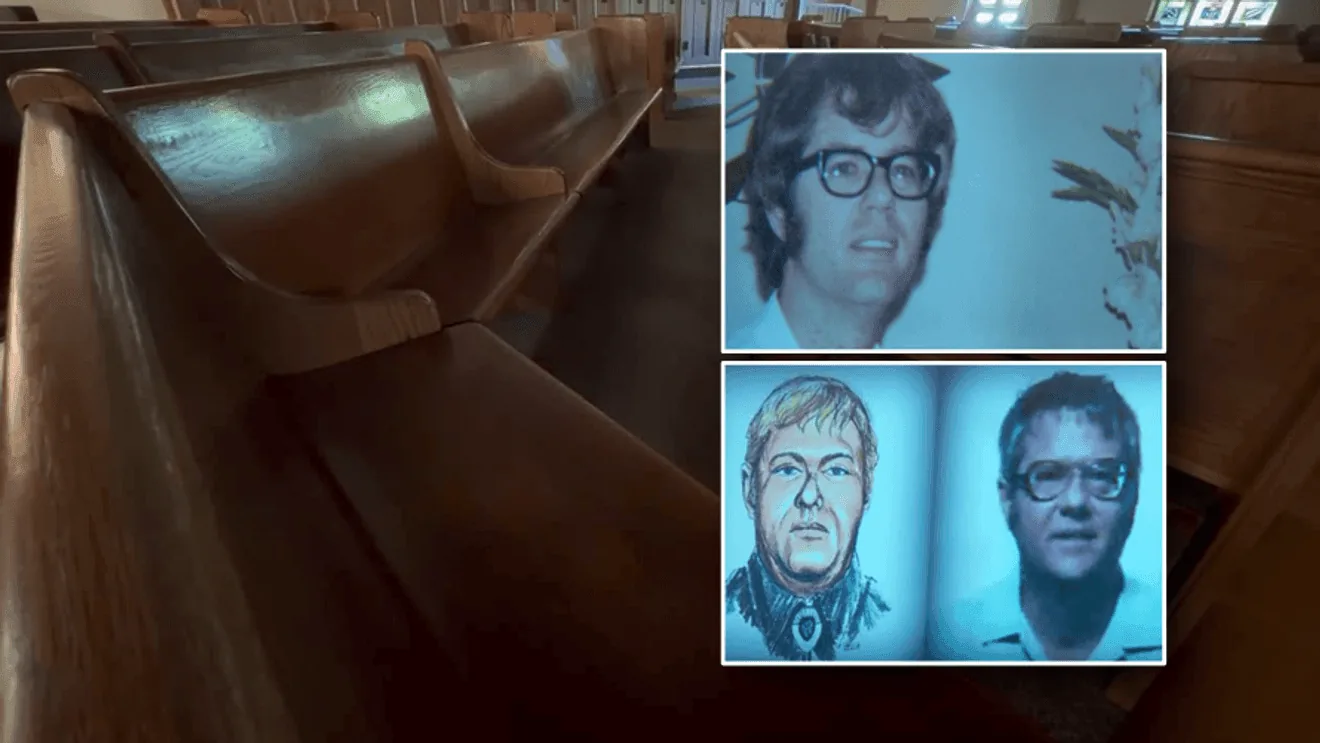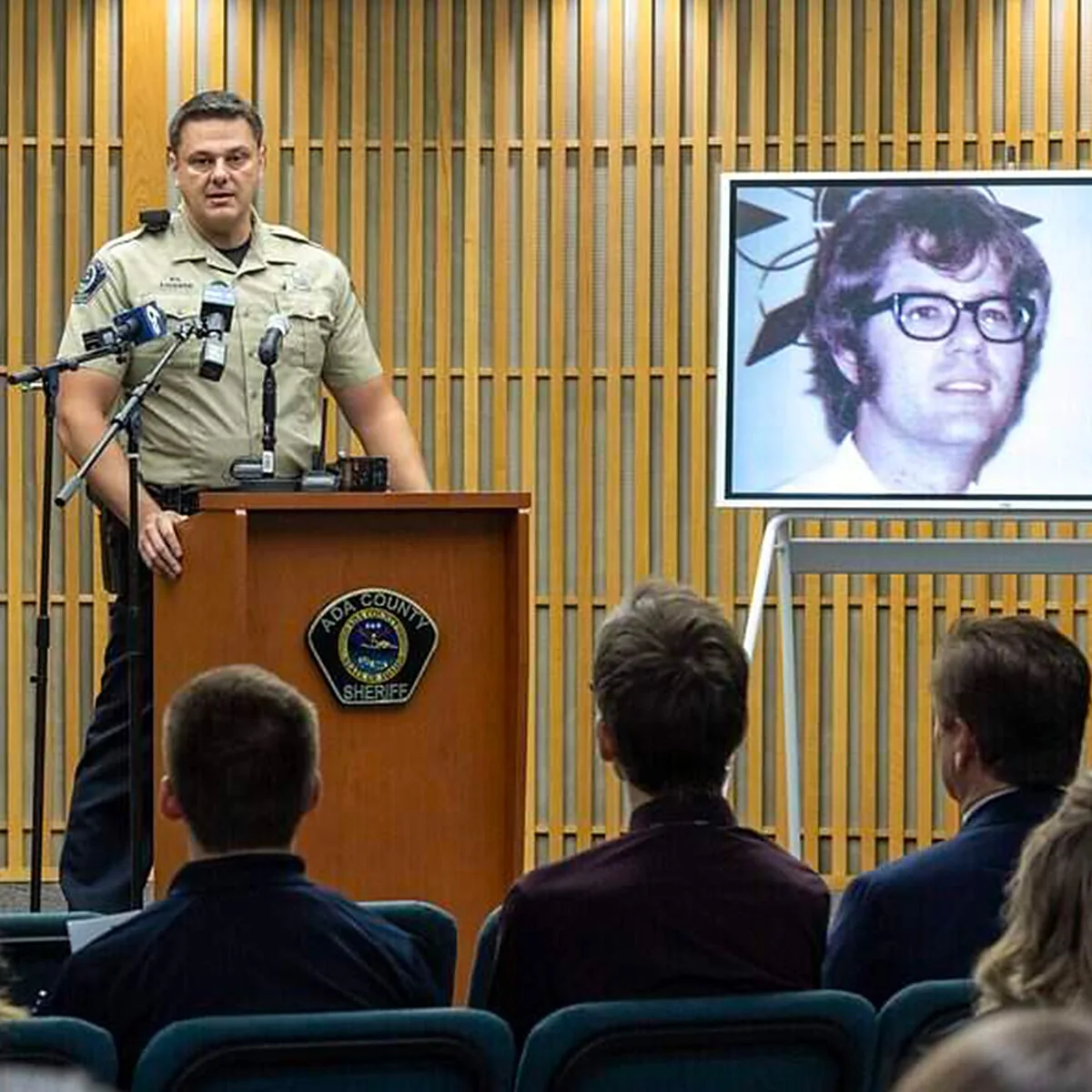
BOISE, ID — An Idaho cold case that puzzled investigators and true crime viewers for more than four decades finally has a name. Ada County Sheriff’s Office detectives identified the man once known as the “Unknown Wanderer” as Dr. Mathew Francis Betkouski, bringing an end to a mystery that began when his body was found in a Boise church in December 1982.
The announcement came Sept. 23 at a press conference by the Ada County Sheriff’s Office. Detective Tim Cooper, who reopened the case in 2019, said the breakthrough came from evidence that had sat in storage for years and from genealogical-style detective work that led investigators across the country. Authorities said the identification also helps them look again at a death that had resisted fingerprints and database checks for decades.
A key in the belongings pointed detectives to Jacksonville
The case started moving after Cooper took another look at the possessions recovered with the body. Among the items was a key that had a mark showing it came from a hardware store in Jacksonville, Florida. That small detail gave investigators a new place to search, far from Boise and far from the decades-old dead end the case had become.
Cooper said the key also had an etching that led him to Mills Court in Jacksonville. He then pulled property deeds from the late 1970s and early 1980s tied to that street. One of the names in those records was Betkouski, giving detectives their first strong lead on who the Unknown Wanderer might have been. It was the kind of clue that only mattered once someone was willing to revisit it years later.
Authorities said fingerprints had not matched anyone in Idaho or in FBI databases when the body was first examined. That left the case stalled for years, with no clear identity and little to build on beyond the physical items found with the man.
DNA from Betkouski's brother confirmed the identification
Once investigators had a possible name, they worked to find family. Cooper located Betkouski’s brother in Los Angeles and learned that Betkouski had gone missing in 1982, the same year his body was discovered in Boise. That missing-person history fit the timeline and gave detectives a path to testing.
The identification was confirmed by comparing the brother’s DNA with DNA recovered from the Unknown Wanderer’s possessions. Those items included two keyrings holding nearly 30 keys, a wallet without identification cards and an envelope containing close to $2,000. With the genetic match in hand, authorities were able to tie the remains to Betkouski and close a gap that had lasted 43 years.
The sheriff’s office said the combination of physical evidence and family DNA solved what had long been one of Boise’s most unusual cold cases. For investigators, the ID was not just about the body itself but also about restoring a name that had been lost for generations of family members and for the public that followed the case.
Who Mathew Francis Betkouski was before he vanished
Authorities said Betkouski came from a prominent Los Angeles family before moving to Jacksonville in 1975 to work for a flavors and fragrances company. He later worked as a scientist at Lockheed Martin, according to investigators. Those details helped fill in the outline of a man who had lived in several places before ending up unidentified in Idaho.
Police also said Betkouski developed an obsession with poison and with putting it into pill capsules. That conduct led to his firing in 1982. Investigators said the dismissal happened in the same year as the Chicago Tylenol murders, but they have not connected Betkouski to that case at this time.
The sheriff’s office stressed that the identification itself does not make him a suspect in any separate crime. Officials said the goal was to solve the Boise case and, if possible, generate additional leads that could help with other unresolved investigations.
Why the case mattered to true crime fans and investigators
For years, the Unknown Wanderer had been known to viewers of a 1990 episode of Unsolved Mysteries and to readers of true crime coverage who tracked unidentified remains. The nickname made the case memorable, but it also underscored how little was known about the man behind it. He was a mystery first, and a person second, in the public record.
The reopening of the case in 2019 shows how old files can still produce results when investigators have time, patience and new ways to connect facts. In this case, the key was not a dramatic breakthrough but a chain of small details: a marked key, a street address, old property records and a brother willing to provide DNA. Together, they turned a long-unsolved death into a resolved identification.
Even now, authorities are drawing a careful line between identification and accusation. Cooper said investigators are not naming Betkouski as a suspect in connection with the 1982 Tylenol murders. For Ada County detectives, the priority remains what it always was: giving the Boise church victim his name back and seeing whether the renewed attention helps uncover anything else.
What investigators said they hope comes next
With Betkouski identified, the case file is no longer centered on an unknown man with no name, no family link and no identity in the records. That alone changes the investigation. It allows detectives and the public to look at the final years of his life with more context, especially his moves from Los Angeles to Jacksonville and then into the circumstances that brought him to Idaho.
Authorities said the identification may also prompt new tips from people who knew him or crossed paths with him before he disappeared. Cooper said the office’s aim was to create leads not only in this case but possibly in others as well. That is a reminder that even a solved cold case can still have investigative value beyond the original mystery.
For Boise investigators, the case now stands as a rare example of persistence paying off after more than four decades. A man once known only by an impersonal nickname now has a full name, a work history and family members who know what happened to him in the broadest sense: where he ended up, and who he was.