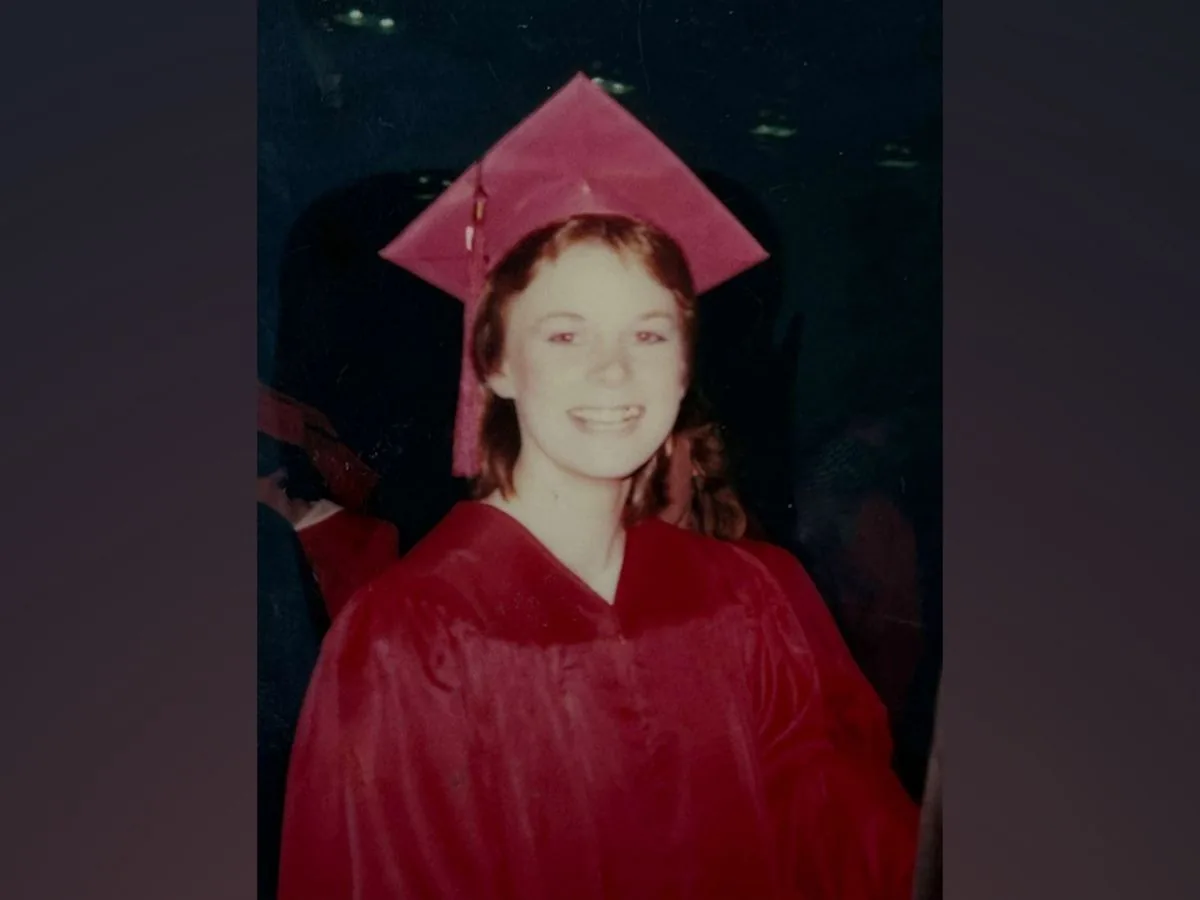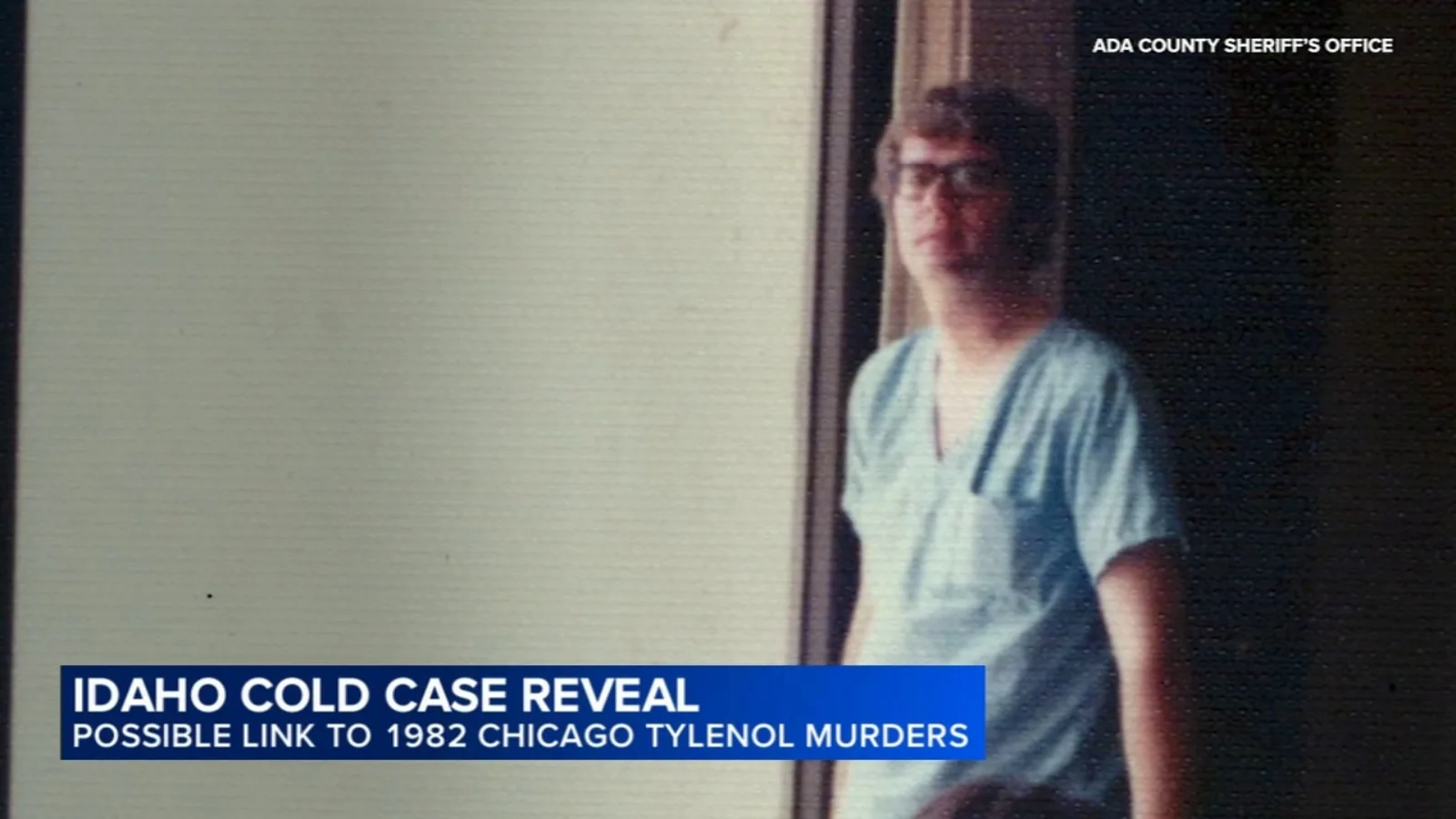
BALTIMORE, MD — Baltimore prosecutors have brought murder charges in a case that sat unsolved for nearly four decades. David Alexander Williams is accused of killing 23-year-old Teresa Ann Houck in Druid Hill Park in October 1986.
Baltimore City State’s Attorney Ivan Bates announced first-degree murder and related charges after investigators tied Williams to the case. The filing marks a major development in a homicide long handled as a cold case.
Houck was found dead in the park near Red Run and Hanlon Drive. Prosecutors say new forensic work helped revive the investigation and produce a suspect after years without a break.
What investigators say happened in the park
According to the charging filing, Houck’s death began with a sexual assault before she was shot. She was found lying in the grass, nude from the waist down, after suffering gunshot wounds to the head, neck and chest.
The location at Red Run and Hanlon Drive places the killing deep inside Druid Hill Park, one of Baltimore’s best-known green spaces. The circumstances described by prosecutors point to an especially violent crime scene that investigators have revisited over the years.
The case had remained open but unresolved, with the victim’s death standing for decades without an arrest. The new charges now bring the case back into court, where prosecutors can present the evidence assembled from the original scene and later testing.
How updated DNA testing changed the case
Investigators reexamined DNA samples collected from the scene using newer forensic methods. Those updated techniques did not immediately solve the case, but they strengthened the evidence available to detectives working the file.
The match to Williams did not surface until just over a year ago, according to the information released by prosecutors. That discovery appears to have given investigators the key link they needed to move forward with charges.
Cold-case investigations often depend on exactly this kind of technological progress. In this case, evidence that had been preserved for years gained new value once laboratory tools improved enough to connect it to a named suspect.
Ivan Bates says the arrest reflects persistence and forensic progress
In announcing the charges, Bates described the killing as a brutal act that left behind evidence of an apparent sexual assault. He said the case only came forward because investigators kept working it and because forensic science provided a fresh lead.
“This arrest is a testament to the relentless determination of our law enforcement partners and the advancements in forensic technology that continue to give new hope to families who have waited decades for answers,” Bates said in part in a news release.
His remarks emphasized both the human cost of the case and the long wait for a resolution. For Houck’s family and others who remember the killing, the filing represents the first major legal step toward accountability in many years.
A decades-old homicide returns to court
First-degree murder charges in a nearly 40-year-old case are unusual, but they are becoming more possible as evidence preservation and DNA analysis improve. In Houck’s case, the preserved material from the original scene remained useful enough to support a renewed investigation.
The charges also show how a case can shift from unsolved history to active prosecution when a forensic match finally arrives. Once the connection to Williams emerged, prosecutors were able to seek formal counts tied to the 1986 killing.
Officials have not said more publicly about any additional evidence beyond the DNA work and the original scene findings. The filing, however, makes clear that detectives considered the case strong enough to bring before the courts after years of dormancy.
Who Teresa Ann Houck was and why the case still matters
Houck was 23 when she was killed, and her death became one of Baltimore’s long-running cold cases. Her remains were discovered in Druid Hill Park after a violent attack that prosecutors now say included both sexual assault and shooting.
Cases like this often stay with a city for years because they combine loss, uncertainty and an unanswered demand for justice. The return of charges does not erase that history, but it does mean investigators found a path forward after decades of waiting.
For Baltimore, the filing is also a reminder that older evidence can still matter when science catches up. What could not be solved in 1986 has finally produced a courtroom case in 2026.