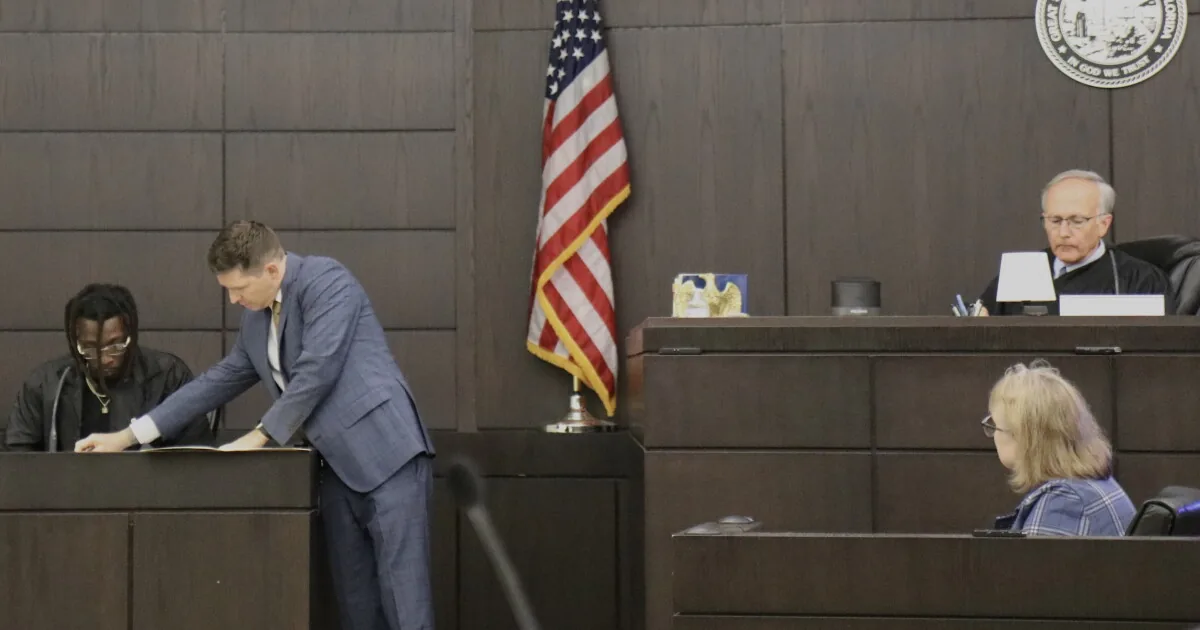
GAINESVILLE, FL — Opening statements began Wednesday at the Alachua County Criminal Courthouse in the trial of three men accused of killing Christin Cassels of Hawthorne nearly a decade ago.
Nikenson Perin, Keneth Altidor and Blake Jackson were arrested in 2024 and charged with first-degree premeditated murder and burglary. Prosecutors say the case centers on a 2017 shooting that left Cassels dead at her boyfriend’s property and remained unsolved for years.
The state laid out a timeline that placed the defendants in Hawthorne on April 21, 2017, after a five-hour drive from South Florida. Defense lawyers countered that the timeline depends too heavily on assumptions, cell records and witness testimony they plan to challenge during the trial.
Prosecutors say the men traveled from Fort Lauderdale before the shooting
Assistant State Attorney Daniel Owens told jurors that Perin, Altidor and Herb Smith drove from Fort Lauderdale to Hawthorne, where they met Jackson. Prosecutors say Jackson recruited them to help with, at minimum, an armed robbery involving Smith’s cousin, Ian “Bob” Munnerlyn.
According to the state, the men went to Munnerlyn’s property around 9 p.m. for what was presented as an unsuccessful drug deal between Jackson and Munnerlyn. Prosecutors said the drug deal was only a cover and that the visit gave the men a chance to scout the property for a later robbery.
The state alleges Perin returned around 10:30 p.m. to carry out the plan. Owens summed up the prosecution’s theory by telling jurors, “They came up for a job. They stayed as long as it took to do the job.”
Cassels was shot while she went outside to get clothes for work
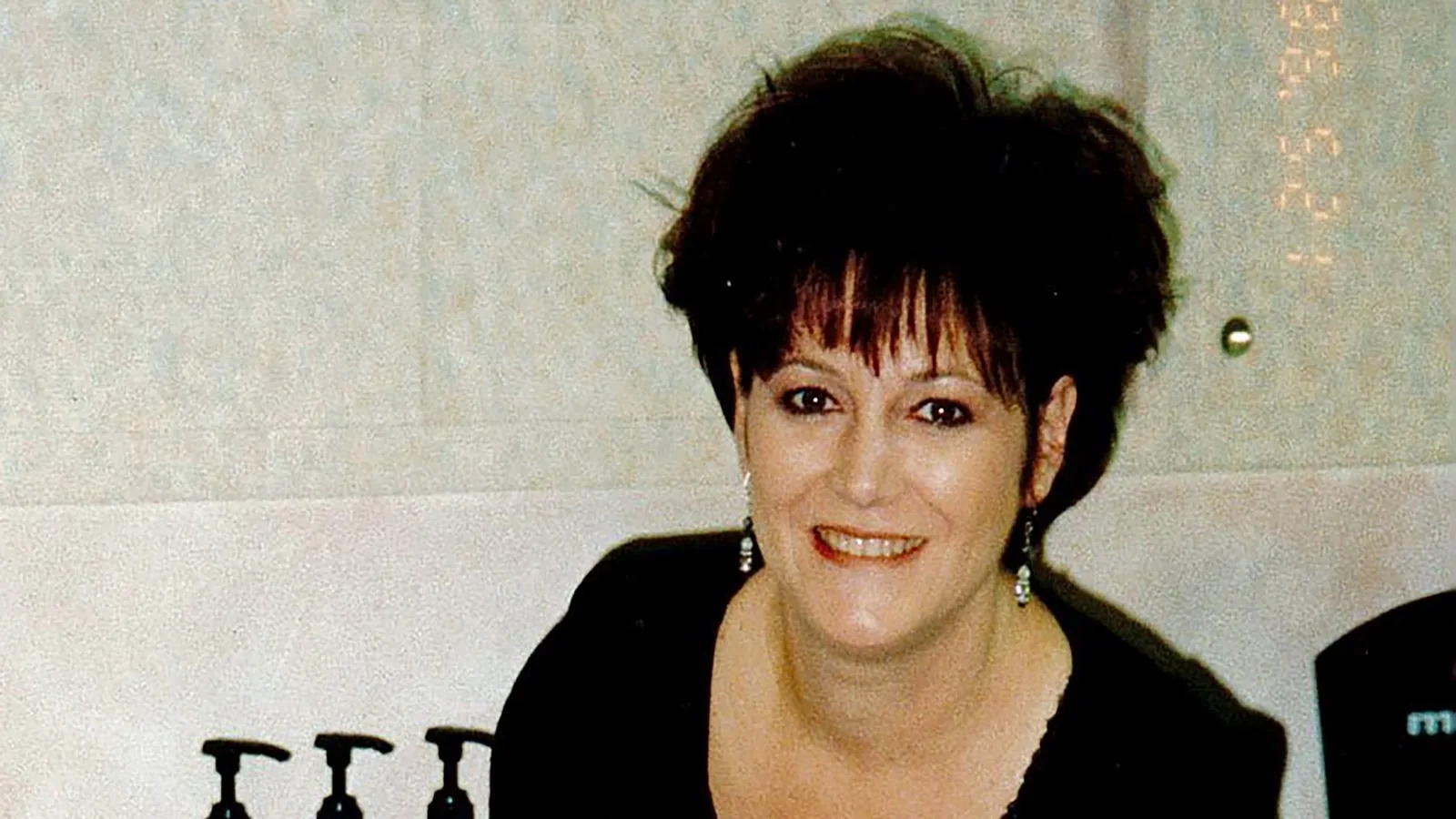
Prosecutors said Cassels, who worked as a home health care nurse, stepped outside to collect clothes for work the next day. They said she was shot and killed at 11:14 p.m. by Perin, just four days before what would have been her 24th birthday.
Her boyfriend, Munnerlyn, was at the property when the shooting began and was the first witness called by the state. He testified that he heard Cassels scream his name and sounded frightened. Munnerlyn said she told him, “We’re gonna die,” as he pulled her through the doorway.
He told jurors that bullets shattered the glass door, sent both of them to the floor and left shards of glass embedded in his eyes and arms. Munnerlyn testified that Cassels stayed on the floor beneath a window during the exchange.
Witnesses described a gun battle that lasted about 10 minutes
Munnerlyn said he found his guns while his vision was impaired and fired back as more bullets came through the windows. He estimated the exchange lasted about 10 minutes and testified that when Cassels stood near a window, she was shot in the head. He told the jury he saw it happen.
Williams said she called 911 after seeing her brother at the door, covered in blood and with swollen eyes. Devin Munnerlyn also testified Wednesday. The family members said they heard the gunfire from inside the main house on the property.
The courtroom was visibly emotional as jurors heard this testimony, and family members of Cassels filled several rows behind them. Later, Cassels’ aunt, Renae Warnick, said she wanted the public to remember her niece as more than the victim in a murder trial.
Medical examiner testimony backed parts of the account
Milad Webb, chief medical examiner for District 8, presented the findings from the autopsy performed by William Hamilton, who has since retired. Webb testified that Cassels died nearly instantly from a gunshot wound to the head. He also said she had a gunshot wound through her right wrist.
As Webb displayed images of the injuries, members of the jury and Cassels’ family reacted visibly. The medical testimony supported some of Munnerlyn’s account of the violence that night, including the location and severity of Cassels’ wounds.
Still, defense attorneys said the state must do more than connect fragments of evidence. They argued that the medical findings do not resolve who did what, or when, during the shooting.
Detectives say phone data and online records solved a years-old case
Former Alachua County Sheriff’s Detective James Robert Parker testified that Jackson was an early focus of the investigation. He said Jackson grew up knowing Munnerlyn and that Cassels had previously worked for Jackson’s mother.
Parker also said Jackson acknowledged visiting Munnerlyn’s property before the shooting, though no arrest had been made by the time Parker left the agency in 2021. Prosecutors later found a new lead through a Google geofence search requested in late 2019.
That search led investigators to a Gmail account tied to Perin, Parker testified. Location records, toll data, a Facebook video filmed inside a car and a debit card purchase near an interstate exit were all used to track movement from South Florida to Hawthorne and back south afterward.
Defense lawyers attack the timeline and witness credibility
Defense attorneys said the state’s case depends on records that cannot precisely place each defendant at every moment. John Ramsey, who represents Altidor, told jurors that cellphone evidence is “not an exact science by any means, and it’s not totally reliable.”
Lawyers for the three defendants also questioned whether prosecutors can prove intent and each man’s role beyond a reasonable doubt. They pressed Parker on what the digital records actually show and pointed to evidence they say investigators did not collect, including tire impressions.
In addition, the defense challenged the credibility of key witnesses, especially Munnerlyn. They said the jury should be careful about accepting a timeline built from inference, rather than direct observation, as the case moves through the rest of the week.