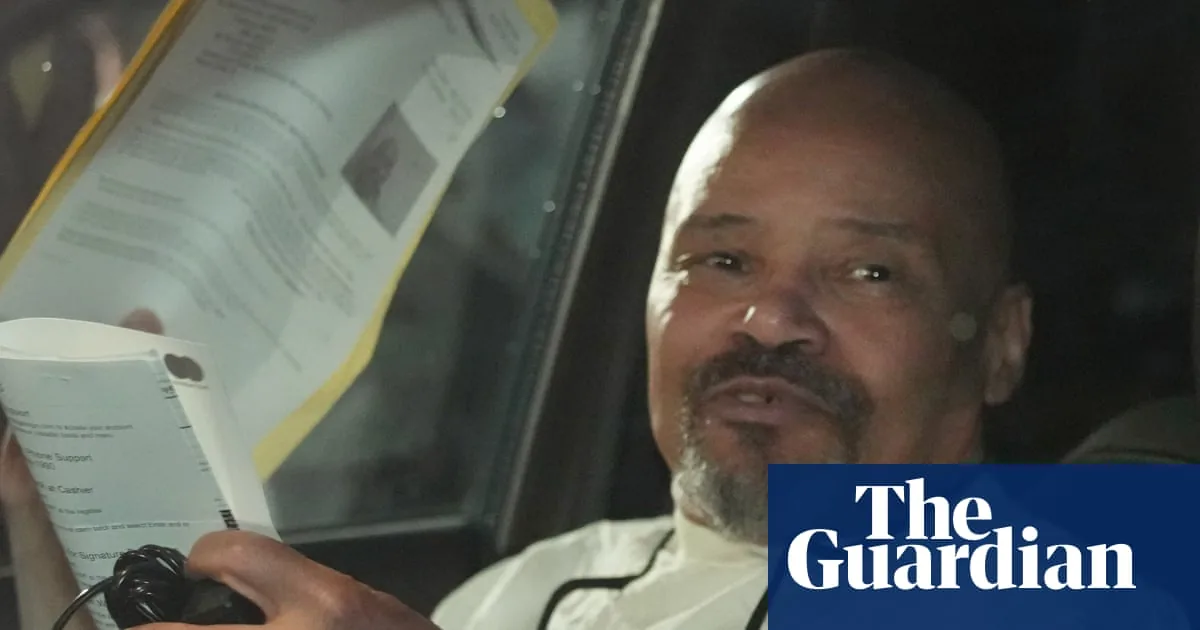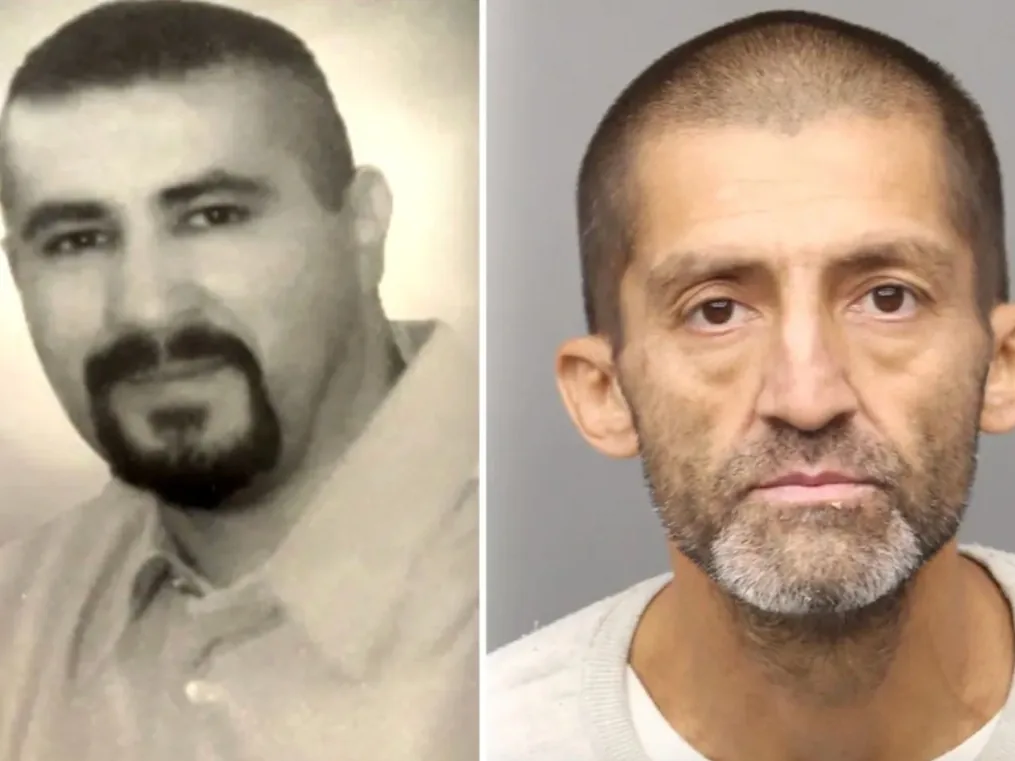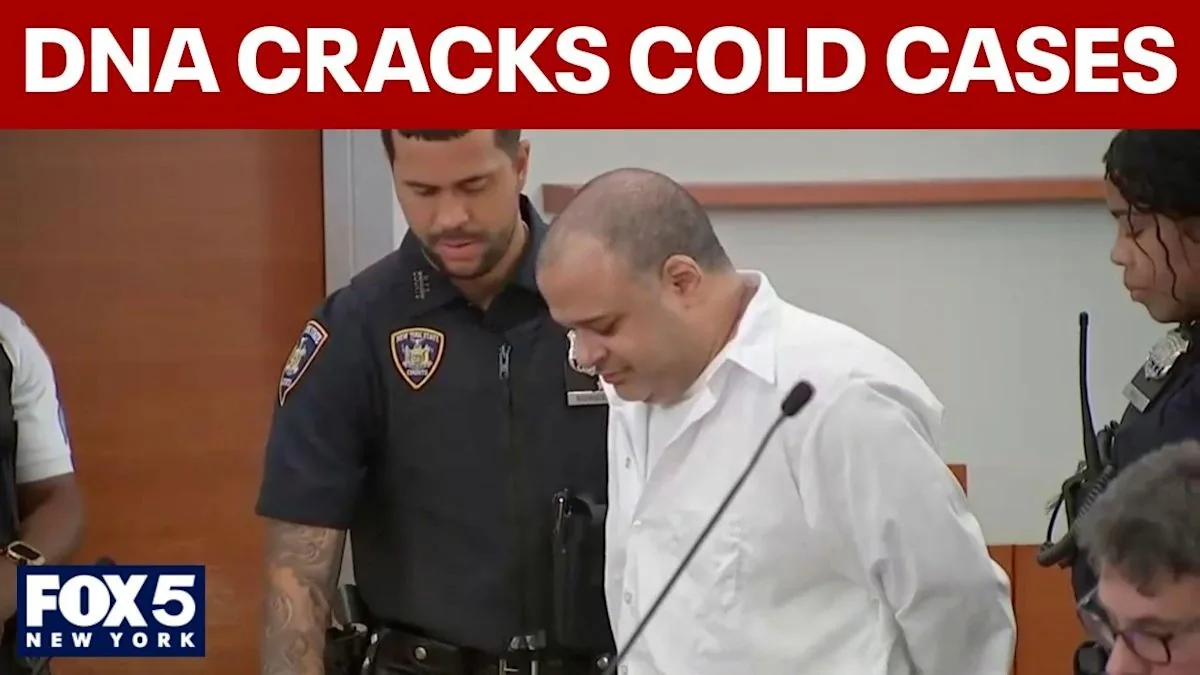
NEW YORK, NY — Investigators in New York used investigative genetic genealogy to break open two cold-case rape investigations from 1995 and 2001 on the same day. The technique, which builds family trees from DNA matches in genealogy databases, connected authorities to suspects in cases that had remained unresolved for decades.
One case ended with an arrest, while the other reached sentencing. Together, the breakthroughs show how newer DNA tools are changing the pace and reach of long-running criminal investigations in New York.
How family-tree DNA searches pointed investigators to suspects
Investigative genetic genealogy works by comparing DNA from a crime scene with information in genealogy databases, then mapping relatives to narrow down a suspect pool. Instead of identifying a person directly, investigators use family links to build out possible branches until a likely match emerges.
That method has become a powerful tool in cold cases because it can connect crimes to people years after the original evidence was collected. In these New York investigations, family-tree tracing through genetic matches provided the key opening that more traditional leads had not produced.
Two separate attacks, two different outcomes
The two cases dated back to 1995 and 2001, showing how long both investigations had been pending before the recent developments. Authorities said the same day brought two major results: one suspect was arrested, and another case ended with a 25-year prison sentence.
The fact that both breakthroughs happened on the same day underscores how multiple old cases can move forward at once when forensic genealogy produces answers. It also illustrates the way one investigative method can affect separate prosecutions even when the underlying crimes happened years apart.
Why these cold cases mattered to New York authorities
Cold cases often remain open for years because early evidence was not enough to identify a suspect or secure a conviction. In cases like these, DNA can become more valuable over time as technology improves and databases expand, giving investigators new paths to follow.
New York authorities used those developments to revisit the long-unsolved rapes and push the cases toward resolution. The breakthroughs are a reminder that unsolved violent crimes can still move forward long after the original investigations stalled.
What the arrests and sentencing show about advanced DNA tracing
The outcomes in the two cases reflect two different stages of the justice process. In one, genealogy evidence helped investigators make an arrest. In the other, the investigation had already advanced far enough to end with a prison sentence of 25 years.
Together, those results show how genealogical DNA work can support both police investigations and courtroom outcomes. The technique does not replace standard law enforcement work, but it can provide the lead that allows cases to advance after years of uncertainty.
A growing tool for cases that seemed impossible to solve
The New York cases add to a broader pattern in which advanced DNA tracing is helping solve crimes that once appeared beyond reach. By linking unknown samples to relatives, investigators can revisit old evidence and identify people who were never on the radar when the crimes first occurred.
For victims and families, that can mean answers after a very long wait. For investigators, it offers a way to keep cold cases active even when traditional leads have run out.