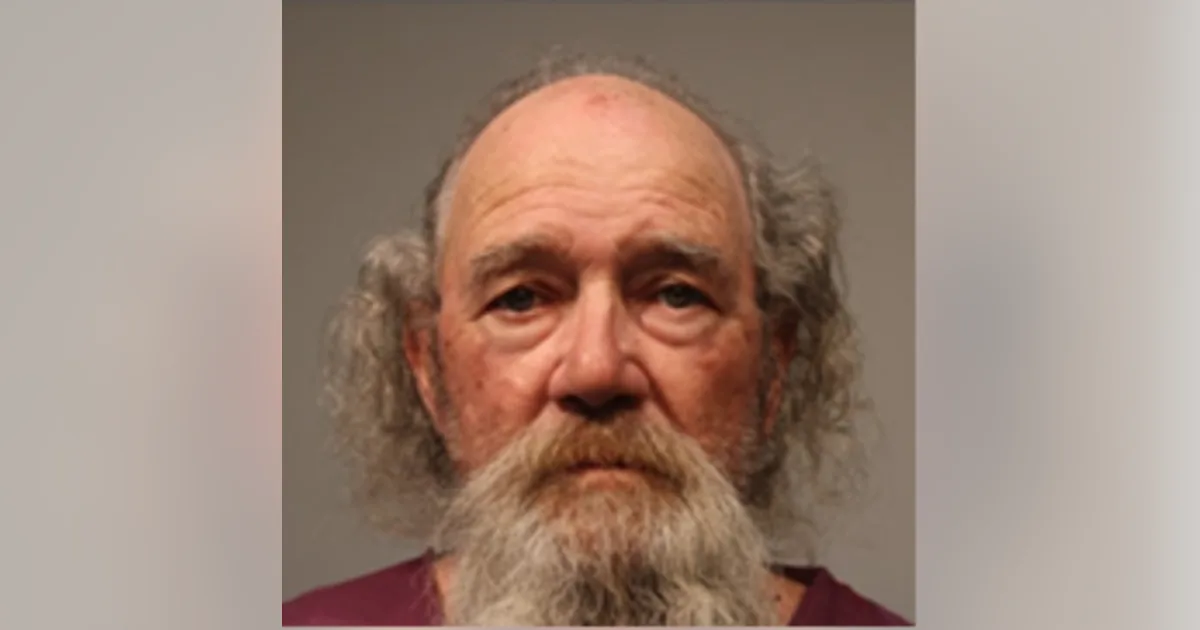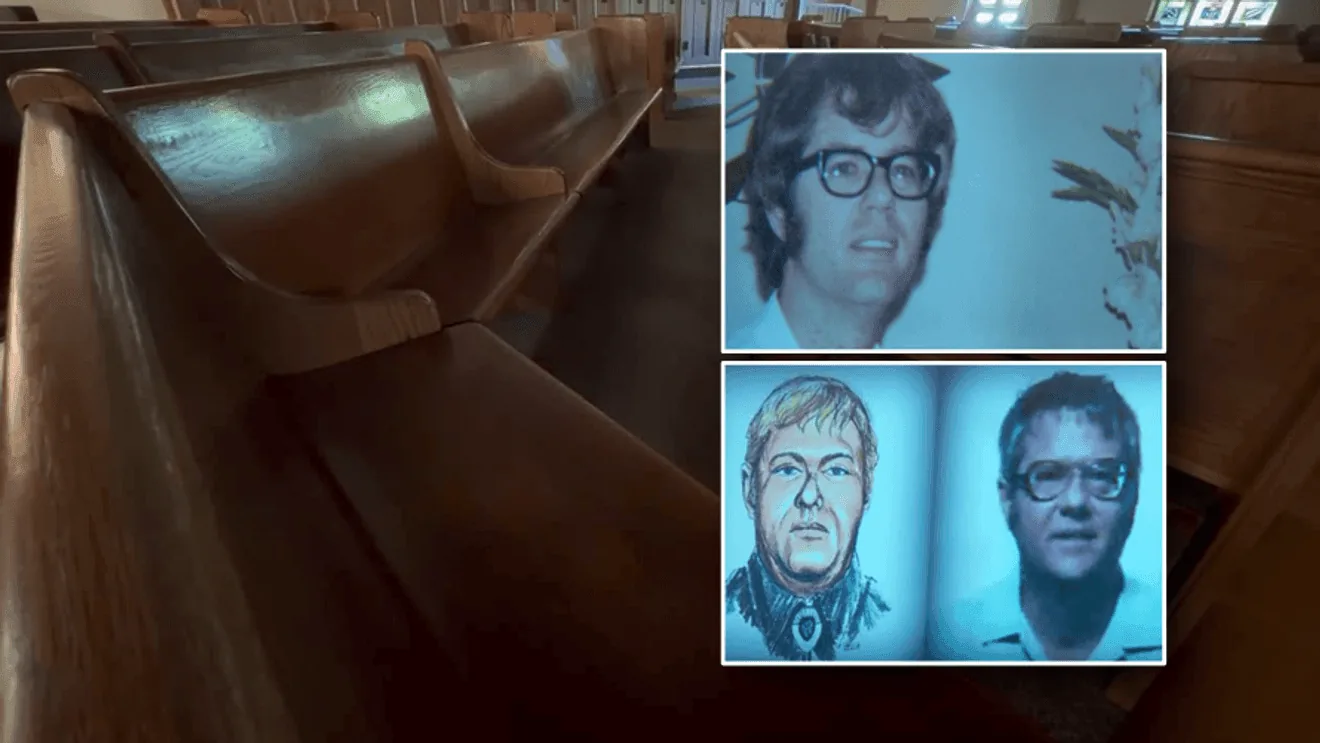
BOISE, ID — Police in Idaho say they have finally identified the man who became known for more than four decades as the “Unknown Wanderer.” The remains found beneath a church pew in 1982 belonged to Dr. Mathew Francis Betkouski, according to investigators.
Betkouski entered the Church of the Sacred Heart on Dec. 4, 1982, and was later discovered dead after poisoning himself with cyanide, police said. The parish never learned who he was at the time, and he was buried after a funeral Mass for an unknown man the community knew only as John Doe.
How investigators matched the John Doe to Betkouski
Investigators said the identification came together through two separate clues: a property deed tied to a key found on his body and a DNA swab collected from his brother. Those pieces allowed police to connect the unidentified man to Betkouski decades after the death.
The case drew renewed attention because the man’s identity had remained hidden for more than 40 years. What had been an enduring local mystery at the church was eventually reduced to a paper trail and a family DNA comparison.
Police have not said publicly how long the identification process took, only that the case is now considered solved. The name Betkouski gives investigators and the church a confirmed identity for a death that had long stood apart from other old cases.
A suicide note and cash were found with the body
Authorities said a suicide note was found with Betkouski’s body, along with $1,900 in cash. Those details helped shape the understanding of the death even before his identity was known.
The man was found beneath a pew after entering the church earlier that day, and police determined cyanide poisoning was the cause of death. The unusual setting and the lack of identification made the case especially memorable, even among long-cold investigations.
Because his identity was unknown, the parish held a funeral Mass for him as an unnamed man. The “Unknown Wanderer” label became attached to him over time and outlasted the original circumstances of his death.
Connection investigators considered to the Tylenol murders
Police also said they have considered whether Betkouski may have had any connection to the 1982 Chicago Tylenol murders, in which seven people died. That possible link has been examined because of items later found among his belongings.
Among those belongings at his brother’s home were a Chicago map from the 1970s and homemade sodium cyanide. Investigators noted, however, that the cyanide found with Betkouski was different from the cyanide used in the Tylenol murders.
That distinction matters because, although the two cases are now being discussed together, police have not said Betkouski was involved in the killings. The identification has revived interest in what he may have known, but it does not by itself establish a role in the Chicago case.
What scientists said Betkouski once discussed
People who knew Betkouski as a scientist told investigators he had mentioned in the late 1970s that poison could be placed into over-the-counter pills. That recollection is one reason his name has surfaced in discussions of the Tylenol murders.
Even so, police said Betkouski has never been named a suspect in those deaths. Investigators have only said they considered a possible link, not that they reached a conclusion tying him to the Chicago killings.
The new identification may make it easier for researchers, law enforcement and historians to revisit the overlapping details. But the facts released so far separate the solved identity case in Idaho from the still-noted suspicion surrounding the broader poisoning episode in Chicago.
Why the decades-old death still stands out now
The death of an unidentified man under a church pew was always an unusual and unsettling case. What makes it even more striking is how long it took for police to put a real name to the body.
For the church, the answer closes a mystery that began with a stranger’s death in 1982 and continued through years of uncertainty. For investigators, it shows how old cases can still yield answers when records, family samples and physical evidence line up.
Betkouski’s identification also gives the public a clearer picture of the person behind the nickname. The “Unknown Wanderer” was not just a nameless John Doe, but a doctor whose final hours ended in one of Idaho’s more unusual cold cases.