BOISE, ID — A long-dormant Idaho death investigation has become part of one of the nation’s best-known unsolved poisonings. Authorities say a man found dead decades ago in a Boise church may be connected to the 1982 Tylenol murders in the Chicago area, where seven people died after taking cyanide-laced capsules.
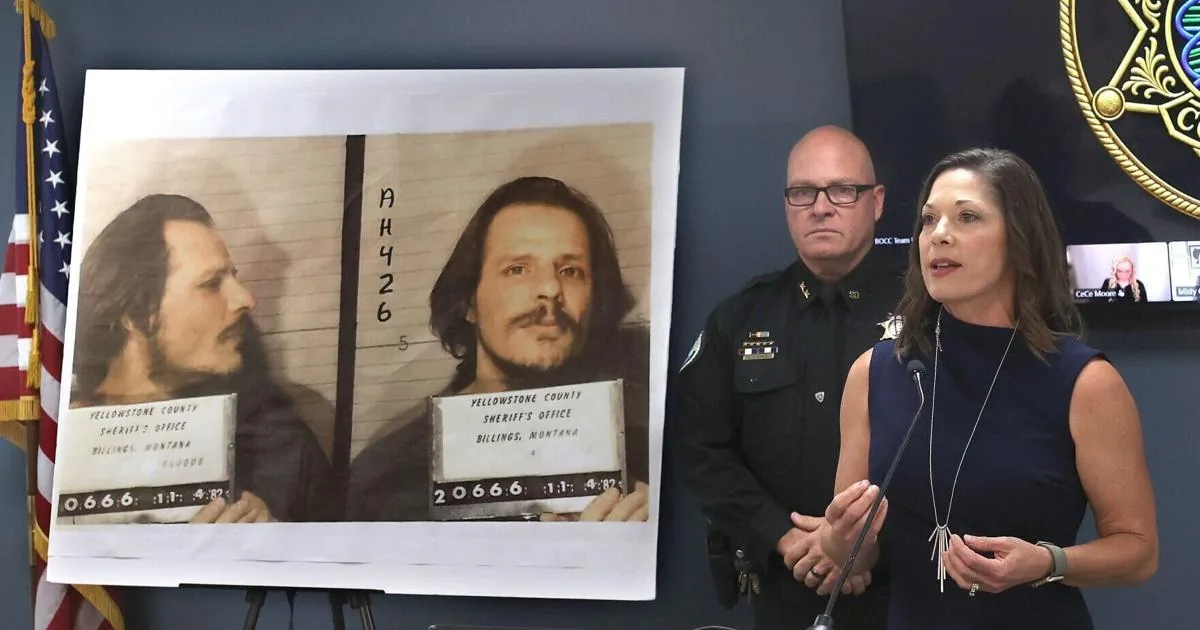
Ada County sheriff’s Detective Tim Cooper reopened the case in 2019 and later identified the dead man as Dr. Mathew Francis Betkouski. Investigators say that identification led them to consider whether Betkouski could have played a role in the Chicago killings, though no charges were ever filed in either matter.
How detectives identified Mathew Francis Betkouski
The Idaho case began with an anonymous burial and an unusual clue. Investigators said an engraved key found with the body in the Boise church pointed them toward a street in Jacksonville, Florida, where a property owner had disappeared in 1982. Photos and DNA testing eventually confirmed the dead man’s identity.
Once detectives had a name, they began piecing together Betkouski’s life. Authorities say he died by suicide more than 40 years ago after poisoning himself with cyanide. The identification gave investigators a clearer picture of his movements, work history and interests, and it also pushed the cold case beyond the original Idaho death.
The Ada County sheriff’s Office said Betkouski had lived in five states during his life, but not in Illinois or near Chicago. Investigators also said photos showed he visited the Chicago area a year before the killings, though they do not know whether he returned the following year.
Why investigators thought he could fit the Tylenol case
As detectives learned more about Betkouski, they say they found details that made them wonder whether he could be tied to the poisonings. Former colleagues and acquaintances described him as volatile, and investigators said he was fascinated by the idea of a “perfect crime.” Authorities also said he once talked about cyanide as a way to kill without being detected.
Betkouski worked in drugstores, which is significant because the 1982 deaths involved over-the-counter Tylenol capsules. That medicine was later recalled on a wide scale, and the case became a turning point in product safety, helping lead to child-resistant packaging for medicines.
Still, investigators emphasized that the cyanide found in Betkouski’s desk was homemade and different from the compound used in the Chicago-area killings. That distinction has not ended questions about him, but it does mean the Idaho evidence does not mirror the poison linked to the 1982 deaths.
Chicago authorities keep the cold case open
The Chicago Police Department said its detectives had been in contact with Idaho investigators to determine whether the new findings are connected to the Tylenol murders inquiry. The department said the case remains open, but it did not say whether Betkouski is considered a suspect.
That leaves the decades-old investigation in a familiar position: active, but unresolved. The killings shook public confidence in consumer medicines at the time, and they remain among the most closely examined unsolved crimes in the country. Even now, new leads are being measured against evidence gathered more than four decades ago.
The Chicago-area poisonings involved seven victims and created a national panic because the tampered capsules were sold over the counter. No one was ever charged in the deaths, and the case has remained a subject of law-enforcement review for generations of investigators.
James Lewis remained the best-known figure in the case
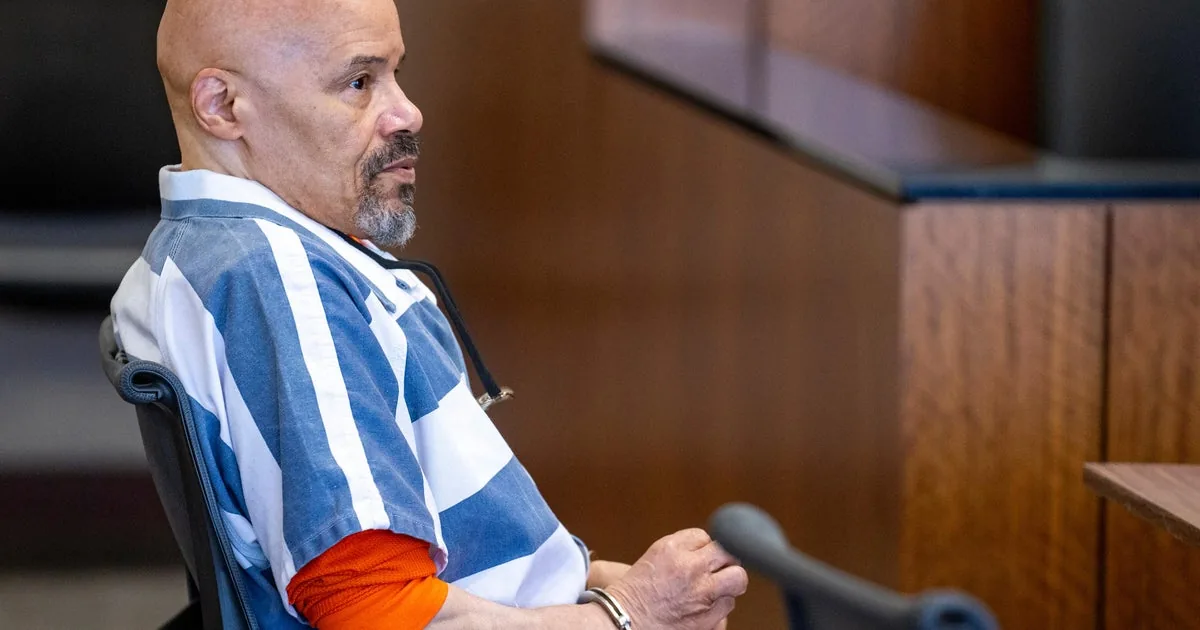
For years, investigators long believed James Lewis was responsible for the poisonings, though he was never charged in the deaths. Lewis died in 2023 after spending more than 12 years in prison for sending an extortion note to Johnson & Johnson, the manufacturer of Tylenol at the time.
That note demanded $1 million to “stop the killing.” When Lewis was arrested in 1982, he gave investigators a detailed account of how the killer might have carried out the crime. He always denied involvement, despite that arrest and the prison term that followed the extortion case.
Betkouski’s newly reconstructed history does not replace the older suspicions around Lewis, but it does add another possible name to an investigation that has defied closure. Police and sheriff’s detectives are now trying to determine whether the Idaho cold case and the Chicago deaths share more than a grim coincidence.
What the Idaho discovery changes now
The main change is investigative momentum. A body that once rested under an anonymous marker now has a name, a personal history and a possible place in a far larger criminal mystery. That makes the Boise death more than a standalone cold case and gives detectives another set of records to compare with the Tylenol inquiry.
At the same time, authorities have stopped short of saying the evidence proves a connection. Betkouski never lived near Chicago, the cyanide found with his desk does not match the poison used in the murders, and the Chicago police statement did not identify him as a suspect. Those limits matter as much as the possible overlap.
For now, investigators on both sides of the case are left with a partial picture: a dead man in Idaho, a deadly product tampering case in Illinois, and a question that remains open more than 40 years later.