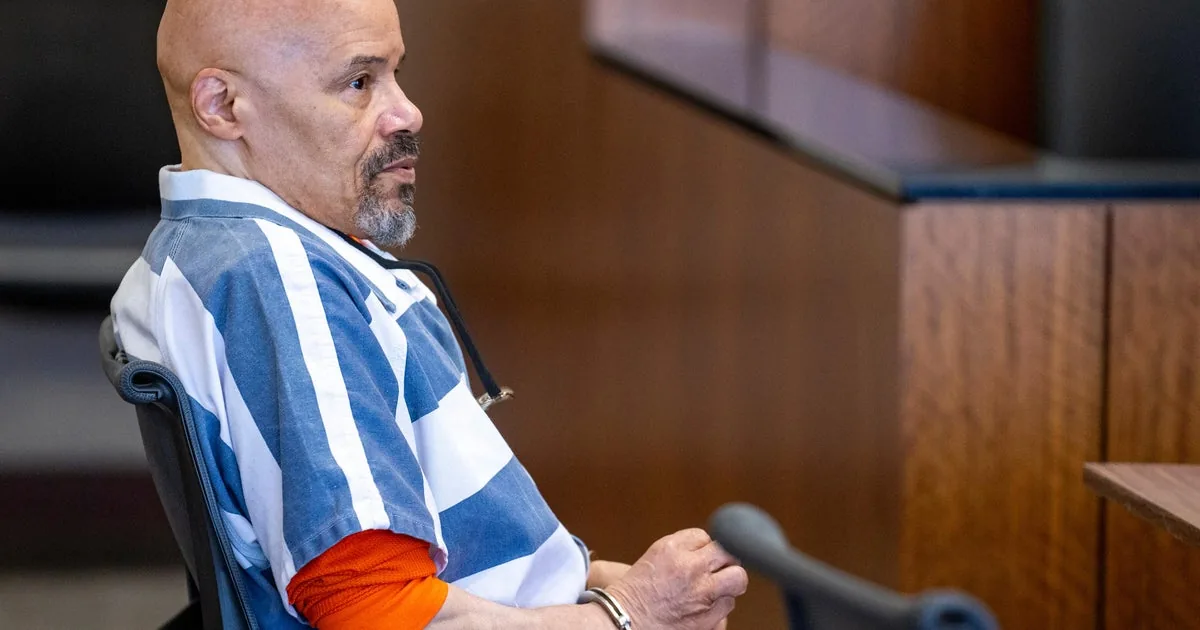
MIAMI, FL — Florida put 77-year-old Curtis Wilkie Beasley to death Tuesday for the 1995 killing of Carolyn Monfort, ending a case that had followed him for decades and making him the 16th person executed in the United States this year.
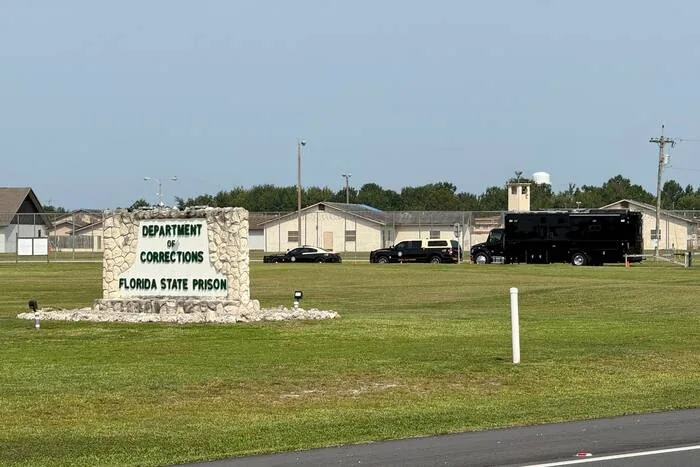
Beasley was pronounced dead at 6:12 p.m. after a three-drug injection at Florida State Prison near Starke. He had been convicted of first-degree murder, robbery and grand theft auto in Monfort’s death at her home south of Orlando.
Before the execution, the curtain to the death chamber opened at 6 p.m. Beasley was already strapped to a gurney with an IV in his arm, and a spiritual adviser remained seated at his feet throughout the process.
Beasley’s final moments inside the death chamber
A warden asked whether Beasley wanted to make a final statement. He replied, “I want to apologize for all the mistakes I made.” The execution began immediately after that brief statement.
Witnesses saw Beasley breathe heavily as the drugs took effect. His breathing later slowed, and the warden checked his eyes and called out his name, but he did not respond.
A medic entered the chamber at 6:11 p.m. and declared him dead shortly afterward. No relatives made public statements after the execution, and it was not clear whether any members of Monfort’s family were present.
How investigators linked Beasley to Monfort’s death
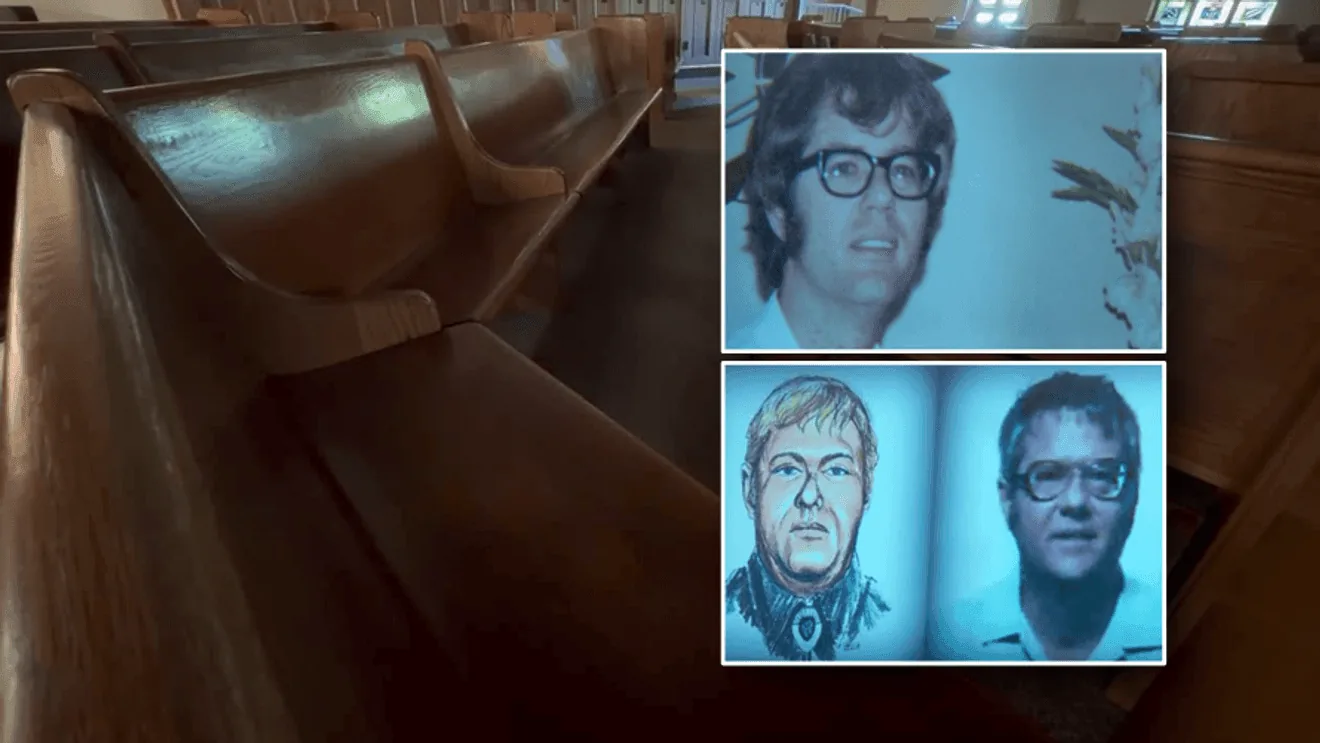
Court records show Beasley had been staying at Monfort’s home in Dundee in August 1995 while he was pressure-washing and painting nearby apartments owned by her son-in-law. The arrangement connected him to the victim’s household before the killing.
Monfort’s daughter went to the house after she had been unable to reach her mother for two days. Inside, she found Monfort’s body in a laundry room splattered with blood.
Investigators said Monfort had suffered multiple blunt-force injuries to the head. A bloody hammer head wrapped in a towel was found nearby, giving detectives a key piece of physical evidence at the scene.
The search that ended with an arrest in Alabama
Authorities began looking for Beasley after a witness reported seeing him driving what turned out to be Monfort’s car. That lead pushed the investigation beyond central Florida and into another state.
Investigators later determined that Beasley had traveled to Miami and then moved on to Alabama. There, he was arrested while working under a false name for an electrical company.
He was convicted in 1998 and sentenced to death. The case remained part of Florida’s capital punishment system for years before this week’s execution.
Age, cognitive decline and court challenges before the execution
Beasley’s execution came after his lawyers argued that putting to death a man of his age who was experiencing cognitive decline would amount to cruel and unusual punishment. The Florida Supreme Court rejected that argument last week.
The U.S. Supreme Court declined to intervene Tuesday, clearing the way for the execution to proceed. Beasley was the seventh Florida prisoner over 70 to be executed this year.
His case added to a broader national debate over aging death-row prisoners, though the courts allowed Florida to move forward in this instance. The legal fight ended only days before the scheduled execution.
Florida’s execution pace is setting a national mark
Beasley was the 29th person executed in the United States this year, and all of them have been men. Florida has carried out more than half of the nation’s executions in 2026 so far.
The state is nearing last year’s total of 19 executions, which was its highest since the death penalty was reinstated in 1976. In July, Florida executed two prisoners in one day, the first state to do that in nearly a decade.
Two more executions are scheduled in Florida this year, though Republican Gov. Ron DeSantis has temporarily paused the next one. William Lee Thompson, 74, is scheduled for Oct. 13, and William Reaves, 77, is scheduled for Oct. 20.
What Florida’s next executions involve
Thompson was convicted of raping and fatally beating a woman at a Florida motel in 1976. After a doctor recently determined he might have dementia, DeSantis ordered a panel of three psychiatrists to examine him and advise whether he is competent to be executed.
DeSantis issued similar stays in 2023 and 2025, but both of those executions ultimately went ahead after evaluations were completed. Reaves was convicted of fatally shooting a deputy outside a convenience store in 1986.
According to the Florida Department of Corrections, executions in the state are carried out with a sedative, a paralytic and a drug that stops the heart. That method was used for Beasley’s death on Tuesday.